How to Use Music for Cravings Relief and Nervous System Regulation
- Dec 26, 2025
- 4 min read
Updated: Jan 17
How to Use Music for Cravings Relief and Nervous System Regulation
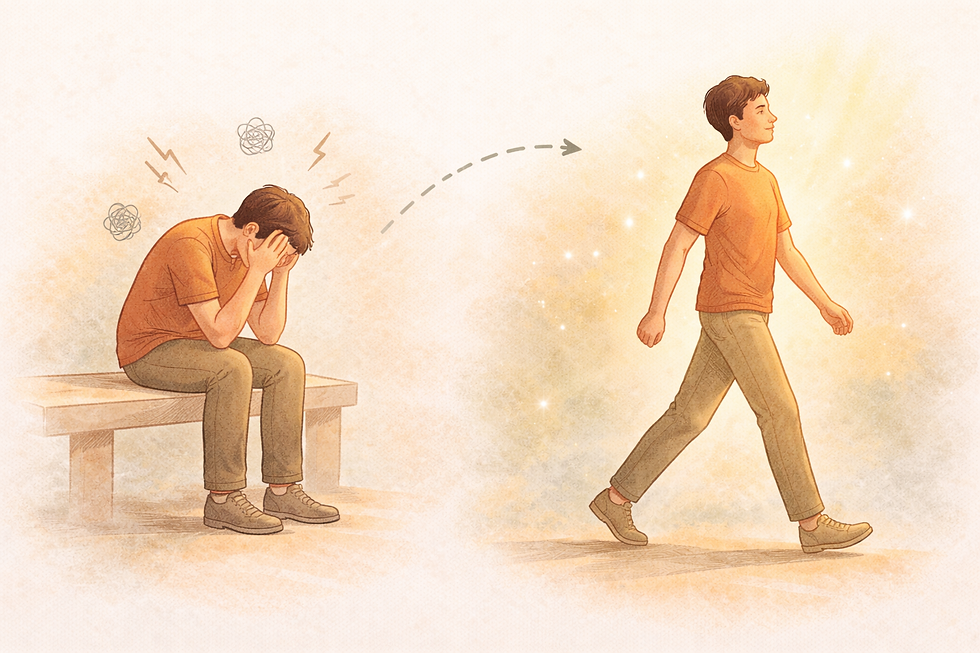
Cravings and emotional surges rarely give you a warning. They arrive as a sudden restlessness, a tightening in your chest, or an overwhelming urge to escape the present moment. While these feelings can be scary, they don’t mean your sobriety is in danger—they are a signal that your body is seeking nervous system regulation.
In addiction recovery, finding effective, science-backed tools for managing cravings is essential. One of the most powerful ways to shift your internal state is through music. Because music bypasses the logical brain and speaks directly to the limbic system, it can help de-escalate a "fight or flight" response faster than almost any other self-help technique.
Why Cravings Are a Nervous System Response
To understand why music works, we have to look at what a craving actually is. It isn’t just a mental thought; it is a physiological event. Your body is looking for relief, grounding, or a way to slow down a racing mind. In the past, you may have used substances to force that regulation. Now, you can use musical neuroplasticity to build new pathways and teach your body a different way to find peace.
Cravings and emotional surges don’t always come with warning. They can show up as restlessness. A tight chest, an urge to escape, a sudden drop in mood or spike in anxiety. These moments don’t mean your recovery is in danger — but they do mean your nervous system needs support.
Why Music Therapy Techniques Help Nervous System Regulation
Cravings aren’t just about substances. They’re often the body’s way of asking for relief, regulation, or grounding.
In the past, substances may have:
Slowed things down
Numbed discomfort
Created focus or escape
When those options are gone, the body still looks for something familiar. That doesn’t make you weak — it makes you human.
What helps most in these moments isn’t willpower. It’s interruption and regulation.
Why Music Works in the Moment
Music is one of the few tools that can meet you exactly where you are.
You don’t need to talk.You don’t need to analyze the feeling.You don’t need to calm down first.
You just play.
Simple music patterns give your body:
Something predictable to focus on
A physical outlet for energy
Rhythm that helps settle the nervous system
A pause between urge and action
Even a few minutes can be enough to change the direction of the moment.
Keep It Simple on Hard Days
When cravings or emotional spikes hit, complexity can make things worse.
That’s why the focus here is on simple, repeatable practices:
One chord
One rhythm
One short pattern you already know
You don’t need to learn something new in those moments. You need something familiar.
Playing the same thing every time creates a sense of safety. Over time, your body begins to associate music with relief — not performance.
Practice Before You Need It
Music works best as a regulation tool when it’s already part of your routine.
Short, regular practice helps:
Build muscle memory
Reduce hesitation during hard moments
Make music feel accessible under stress
This doesn’t require long sessions. It requires returning, even briefly.
Support Can Help You Stay Grounded
When you’re navigating recovery, doing everything alone can make hard moments feel heavier.
One-on-one music sessions provide:
Structure without pressure
Practices tailored to your nervous system
Support when motivation drops
Accountability without judgment
Sessions are recovery-informed and supportive, but they are not therapy or crisis care. They’re meant to give you a practical, creative tool you can rely on when things feel unsteady.
A Tool You Can Return To
Cravings pass. Emotional spikes settle.What matters is having something steady to return to when they show up.
Music doesn’t fix everything — but it can help you get through the moment without making it worse.
If you’re looking for a calm, realistic way to support your recovery through music, this space is here for you.
When you’re ready, one-on-one sessions are available. Until then, keep it simple — and keep returning.
3 Ways to Use Music When a Craving Hits
When your nervous system feels "loud" or a craving begins to spike, use these three techniques to ground yourself in the moment:
The 60 BPM Shift: Listen to a song with a steady, slow tempo (about 60 beats per minute). Science shows that your heart rate often "entrains" or syncs up with the rhythm, helping to physically lower your anxiety and slow your breathing.
Active Listening for Anchoring: Instead of just having music in the background, pick one specific instrument—like the bass line or the hi-hat—and try to follow it exclusively for the duration of the song. This forces your brain to shift from "emotional panic" to "focused attention."
Engage the Vagus Nerve: Hum, whistle, or sing along to the melody. The physical vibration in your throat stimulates the vagus nerve, which is a direct "off-switch" for the fight-or-flight response your body feels during an emotional spike.
Take the Next Step in Your Recovery
Recovery isn't just about what you stop doing; it’s about what you build to take its place. If you’re looking for a personalized way to integrate these tools into your daily life, I’m here to help.
Explore Guided Support: I offer 1:1 Guided Support for those looking to use music as a bridge to deeper nervous system regulation and long-term sobriety.
Get the Tools: Browse my Digital Resources for practices you can use anytime, anywhere.
Let’s grow through this together.


Comments